Neonatal surgery
Surgery for congenital malformations in newborns
Overview
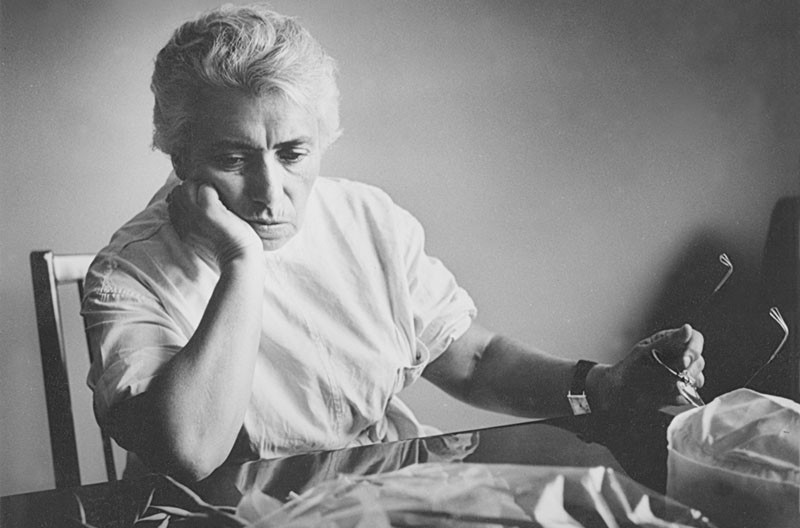
On 11 November 1986, the Neonatal Surgery Unit was founded at the Scientific Research Institute for Maternal and Child Health Care, thanks to Academician, Professor Natalia Gheorghiu, Dr Hab. Med.
To this day it is coordinated by Eva Gudumac, Academician of the Academy of Sciences of Moldova, Dr Hab. Med., professor, Honoured Worker and Head of the Department of Paediatric Surgery, Orthopaedics, Anaesthesia and Intensive Care.
Consultants:
- Acad. Prof. E. M. Gudumac
- Professor B. Curajos
- Professor P. Moroz
- Professor N. Șavga
- Associate Professor Dzero
- Associate Professor N. Sinițîna
- Dr Hab. Med. G. Boian
- Dr Hab. Med. A. Litovcenco
Doctors of the Neonatal Surgery Unit:
Pisarenco Aliona Ion — Head of unit, PhD in medical sciences, paediatric surgeon, highest category
Malai Aglaia Alexandru — attending doctor, PhD in medical sciences, highest category
Revenco Ina Mihai — attending doctor, PhD in medical sciences, 1st category
Boian Veceslav Gavril — attending doctor, highest category
Sinițîna Natalia — Associate Professor, Department of Paediatric Surgery, unit consultant
Haidarlî Doina — doctoral student, paediatric surgeon
Anaesthesia is mainly provided by Angela Maniuc, anaesthetist of the highest category specialising in this field
It is the only unit of its kind in the Republic of Moldova. It has 30 beds.
Unit structure:
- 8 isolation rooms for newborns with congenital malformations,
- 2 rooms for newborns with septic conditions,
- procedure room,
- dressing room,
- feeding room,
- sanitary room,
- mothers' room,
- staff rooms.
Pre- and post-operative care for newborns and infants in the first months of life with surgical conditions is provided in the Surgical Intensive Care Unit, which has a specially equipped neonatal room. Paediatric surgeon Doina Haidarlî works there.
Since 1986 the nursing team has been led by senior nurse Irina Chiroșca.
Nurses
1. — Irina Chiroşca — senior nurse, highest category,
2. — Rodica Petrachii — dressing room nurse, highest category
3. — Maria Terentii — ward nurse, highest category
4. — Galina Crozu — ward nurse, highest category
5. — Ceban Cristina — ward nurse, 2nd category
6. — Tatiana Nicolai — ward nurse, 1st category
7. — Maria Bragoi — ward nurse, highest category
8. — Galina Tataru — ward nurse, 1st category
9. — Feodosia Levinţa — ward nurse, 2nd category
10. — Brîncoveanu Maria — ward nurse, 1st category
11. — Zubco Natalia — ward nurse, 1st category
12. — Staci Nina — ward nurse, 2nd category
13. — Turtureanu Maria — ward nurse, resident at the Nicolae Testemițanu SUMPh
14. — Grișanova Irina — ward nurse, resident at the Nicolae Testemițanu SUMPh
Orderlies
Coteț Natalia — housekeeping nurse
Ward orderly
Ţurcan Pelaghea — ward orderly
Jizdan Vera — ward orderly
Jemanean Maria — ward orderly
Feodorova Natalia — ward orderly
Lazăr Nina — ward orderly
Vdovicenco Liliana — ward orderly
Ward orderly
Children are admitted as emergencies or planned cases, depending on their condition. Seriously ill patients are transferred by air ambulance from maternity units and district perinatal centres. Investigations are carried out together with specialist colleagues in each field. Diagnostic options:
- X-ray with and without contrast
- CT: standard, spiral, with angiography
- MRI: standard, with angiography
- Ultrasound: heart, internal organs, brain, etc.
- Functional diagnostics
- Endoscopic diagnostics
- Biochemical tests
- Bacteriological tests
- Virological tests
- Pathology
The unit diagnoses and treats newborns and infants in their first 6 months of life with the following conditions:
- Craniocerebral malformations and conditions.
- Craniocerebral hernia: posterior, sagittal, basal. Meningocele. Encephalocele. Encephalocystocele. Congenital and acquired hydrocephalus. Craniosynostosis. Microcephaly.
- Spinal hernias. Meningocele. Encephalocele. Encephalocystocele. Meningomyelocele. Myelocystocele. Rachischisis. Spina bifida occulta.
- Neck pathology.
- Neck cysts and fistulas. Lateral branchial fistulas and cysts. Median neck fistulas and cysts.
- Acute cervical lymphadenopathy.
- Muscular torticollis.
III. Bronchopulmonary malformations and conditions.
- 6. Lung malformations. Cystic lung malformations. Bronchogenic cyst. Lobar emphysema. Pulmonary sequestration. Agenesis. Aplasia. Hypoplasia.
- Chronic non-specific lung diseases. Bronchiectasis. Complications: atelectasis, collapse, bronchial fistulas, pleural empyema
- Diaphragm pathology
- 8. Diaphragmatic hernias and eventration.
- Abdominal wall pathology
- Hernias in newborns. Umbilical hernia. Paraumbilical hernia. Inguinal hernia. Ventral hernia.
- Congenital pathology of the umbilical region. Omphalomesenteric band. Persistent omphalomesenteric duct. Umbilical fistulas (granuloma, vitelline fistulas, urachal fistulas, complete, incomplete). Umbilical cysts. Enterocyst. Urachal cyst.
- Omphalocele. Embryonic umbilical hernia of the newborn. Hernia of the umbilical cord.
- Laparoschisis (gastroschisis).
- Strangulated hernias in children
- Strangulated umbilical hernia. Strangulated inguinal hernia.
- 14. "Acute scrotum" syndrome in the newborn (torsion of the spermatic cord, torsion of the testicular appendage, testicular torsion).
VII. Gastrointestinal conditions.
- Oesophageal atresia. Tracheo-oesophageal fistula.
- Congenital oesophageal stenosis.
- Oesophageal achalasia. Cardiospasm, megaoesophagus
- Congenital short oesophagus.
- Gastro-oesophageal reflux.
- 20. Oesophageal duplication.
- Acquired oesophageal conditions. Oesophageal burns. Post-caustic oesophageal strictures. Swallowed foreign bodies. Oesophageal perforation.
- Congenital gastric conditions. Hypertrophic pyloric stenosis.
- Congenital intestinal obstruction. Internal causes – atresia, stenoses, webs. External causes – annular pancreas, anomalies in the development and position of the mesenteric vessels, Ladd syndrome, internal hernias, bands and adhesions, volvulus. Small bowel atresia. Low intestinal obstruction. Volvulus. Volvulus around a fixed Meckel's diverticulum. Large bowel atresia. Multiple atresias. Meconium ileus. Bowel compression by a cyst or tumour. Intestinal malformations.
- 24. Congenital megacolon (aganglionic megacolon, Hirschsprung's disease)
- Idiopathic megacolon.
- Symptomatic megacolon. Megadolichosigmoid.
- Anorectal malformations. Atresias (rectal, anal and rectal agenesis, membranous imperforate anus). Atresias with fistulas (rectovesical, recto-urethral, rectovaginal, rectovulvar, rectoperineal fistula). Stenosis (anal, rectal, anorectal). Cloaca (vesical, vaginal). Abnormal openings (fistulas).
- Rectosigmoid polyp.
- Meckel's diverticulum.
VIII. Liver conditions. Congenital malformations of the bile ducts
- Biliary atresia and obstructive jaundice in newborns.
- Congenital cystic dilatation of the common bile duct.
- Portal hypertension syndrome in children
- Surgical pathology of the spleen
- Acquired splenic conditions. Splenic cysts. Post-traumatic pseudocysts, localised abscesses, hydatid cysts.
- Congenital splenic conditions.
- Haemolymphangiomas, hamartomas, non-parasitic cysts.
- Acute surgical conditions of the abdominal organs in newborns
- Appendicitis in the newborn.
- Acquired intestinal obstruction in the newborn.
- Intussusception
- Functional obstruction (inflammatory ileus in peritonitis, bronchopulmonary and pleural conditions, extra- and intraperitoneal trauma, intraperitoneal haemorrhage, spinal cord injuries, thrombosis, mesenteric infarction). Spastic obstruction.
- Adhesive disease.
- Gastrointestinal bleeding in children
- Upper gastrointestinal bleeding in children.
- Lower gastrointestinal bleeding in children.
XII. Birth injuries
- Injuries to the skin and subcutaneous tissue.
- Head injuries. Caput succedaneum. Cephalhaematoma. Skull fractures.
- 45. Brain injuries.
- Spinal cord injuries. Peripheral nerve injuries.
- Skeletal injuries. Clavicle. Humerus. Femur.
- Injuries to internal organs. Chest injuries. Injuries to intra-abdominal organs – intraperitoneal and retroperitoneal
XIII. Thoraco-abdominal injuries in children
- Chest injuries.
- Abdominal injuries.
XIV. Surgical infection in children.
- Surgical sepsis in the newborn.
- Purulent inflammatory soft tissue conditions. Neonatal mastitis. Pseudofurunculosis. Omphalitis. Boil. Carbuncle. Lymphadenitis. Adenophlegmon. Abscess. Paronychia. Phlegmon. Acute perianal abscess. Chronic perianal abscess. Acute lymphadenopathy. Necrotising phlegmon of the newborn. Cutaneous gangrene of the newborn
- Inflammatory bone and joint conditions. Acute haematogenous osteomyelitis in the newborn. Post-traumatic osteomyelitis. Arthritis in children.
- Bacterial lung destruction
(pre-destruction; intrapulmonary forms – multiple microabscesses, giant cortical abscess, intralobar destruction, bullous destruction); pleuropulmonary forms (pyothorax, pyopneumothorax, pneumothorax, fibrothorax); chronic forms and sequelae (secondary intrapulmonary cyst, chronic abscess, chronic empyema, bronchiectasis); complications: sepsis, pericarditis (purulent, fibrinopurulent, fibrinous), mediastinal emphysema (simple, progressive), haemorrhage (pulmonary, pleuropulmonary, intrapleural; grade I, II, III). Destructive purulent pneumonia in the newborn.
- Mediastinitis. Pneumomediastinum in children.
- Pericarditis in children.
- Peritonitis in the newborn.
- Malformations of the upper urinary tract (kidneys, renal pelvis, ureters)
- Kidney malformations (of number, position, relationship and structure). Malformations of number: aplasia, hypoplasia, duplex kidney, supernumerary kidney. Malformations of relationship: symmetrical and asymmetrical. Structural kidney malformations. Polycystic kidney. Solitary cyst. Malformations of the renal pelvis and ureters. Hydronephrosis. Duplex renal pelvis. Duplex ureter. Ureterocele. Cystic dilatation of the terminal ureter. Ectopic ureter. Megaureter. Neuromuscular dysplasia of the ureter. Hydronephrosis in the newborn.
- Bladder malformations. Bladder exstrophy. Bladder diverticulum
- Urethral malformations: epispadias, hypospadias.
- Vesicoureteral reflux
- Genital malformations. Cryptorchidism. Cysts. Hermaphroditism. Phimosis. Paraphimosis. Labial adhesions. Hydrocolpos and hydrometrocolpos. Haematocolpos and haematometra. Ovarian cyst.
- Traumatic injuries of the urinary system. Kidney trauma. Bladder injury. Urethral injury.
XVI. Paediatric orthopaedics and traumatology
- Musculoskeletal malformations. Congenital hip dislocation. Congenital clubfoot. Amniotic band syndrome (Ombredanne disease). Arthrogryposis (congenital contractures). Finger anomalies: syndactyly, polydactyly.
- Fractures in newborns.
- Epiphyseal separations.
- Head injuries in children.
XVII. Paediatric burns.
- Burns in newborns.
- Frostbite.
XVIII. Paediatric oncology
- Benign soft tissue tumours. Haemangioma (angioma). Lymphangioma. Pigmented spots (naevi). Dermoid cyst. Teratoma
- Neuroblastoma.
- Retroperitoneal tumours: Wilms tumour (nephroblastoma). Intracranial tumours.
- Tumours derived from embryonic tissue.
Between 1986 and 2017, more than 20,000 newborns with congenital malformations, various acquired conditions and septic diseases were treated in the Neonatal Surgery Unit of the "Natalia Gheorghiu" National Scientific and Practical Centre for Paediatric Surgery.
The Moldovan media have published many reports and messages of thanks about the work of the neonatal surgery staff. Television and radio have often featured material on various topics from the unit, with the direct involvement of its medical staff.
The unit also enjoys fruitful cooperation with the departments and research units of the Nicolae Testemițanu SUMPh.