International Rare Disease Day: access to modern therapies helps reduce complications and improve patients' quality of life
Today, 27 February, the Republic of Moldova marks International Rare Disease Day. In this context, the Institute of Mother and Child is hosting the 11th national conference with international participation…
- Published:
- 2 min read
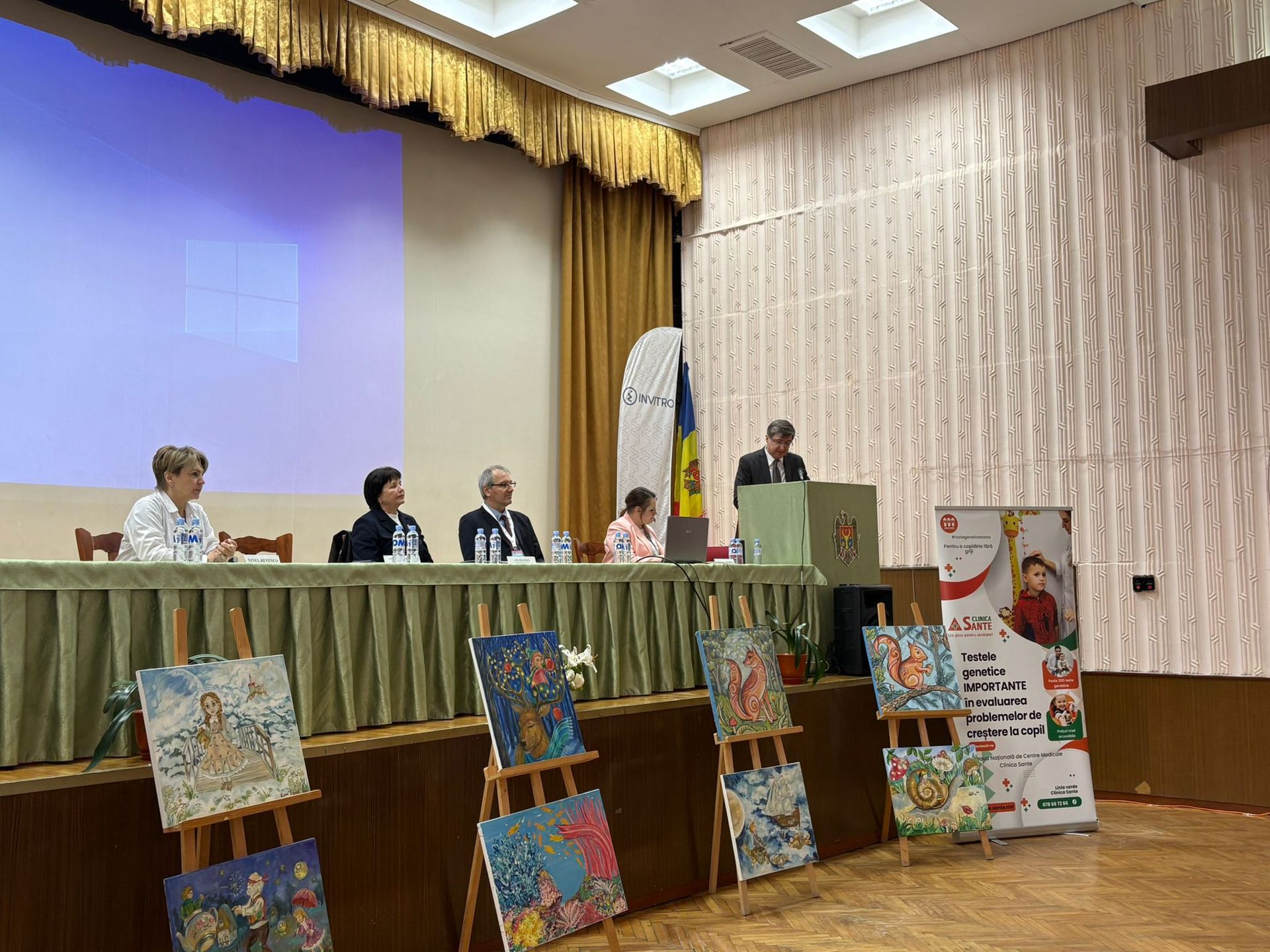
Today, 27 February, the Republic of Moldova marks International Rare Disease Day. In this context, the Institute of Mother and Child is hosting the 11th national conference with international participation, "Rare Disease Day 2026". This year's theme – "Giving rare diseases a voice through the eyes of patients" – brings to the fore the voice of those affected and the need for a patient-centred approach.
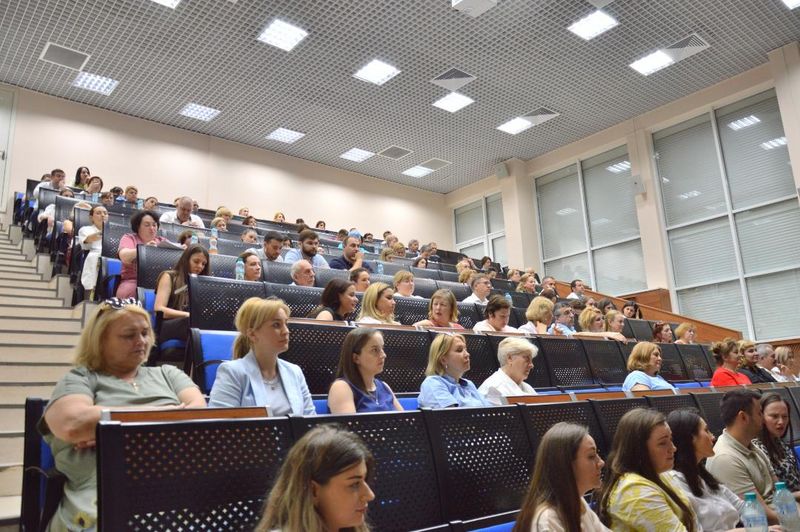
The event brings together specialists from various medical fields, researchers, representatives of the authorities and patient organisations, as well as guests from Romania and Ukraine.
Attending the conference, State Secretary Andrei Romancenco reiterated the authorities' commitment to ensuring equitable access to diagnosis, treatment and care for patients with rare diseases.
Rare diseases are, in most cases, serious, chronic genetic conditions that require complex, long-term treatment. Although each disease affects a small number of people, taken together they represent a major challenge for health systems.
About 2,500 patients with rare diseases are registered in the Republic of Moldova, more than half of them children.
Diagnosis is carried out at the Centre for Reproductive Health and Medical Genetics of the Institute of Mother and Child and in other national institutions, while for complex cases collaborations have been developed with specialised laboratories abroad.
Treatment for rare diseases is provided through national health programmes and compulsory health insurance funds. In 2025, more than 22.4 million lei were allocated for the inpatient treatment of patients with rare diseases. Twenty patients diagnosed with myasthenia gravis and Guillain-Barré syndrome received human immunoglobulin treatment, with an average cost per patient of over 187,000 lei. In addition, 65 people with multiple sclerosis were treated with ocrelizumab, at an average cost of 243,500 lei per patient.
In specialised outpatient care, 41 patients with cystic fibrosis received treatment with dornase alfa and tobramycin, with the total value of the medicines exceeding 4.3 million lei. In addition, 269 patients with multiple sclerosis received treatment with interferon, glatiramer acetate and cladribine, at a total cost of more than 13 million lei.
In 2025, emicizumab, used to treat and prevent severe haemophilia in children, was included for funding. Currently, 19 children receive this treatment, at an average cost of about 294,000 lei per patient.
Last year, about 12.9 million lei from compulsory health insurance funds were allocated for reimbursed outpatient medicines for patients with rare diseases.
Rare diseases are covered by the National Rare Diseases Programme 2024–2028, which aims to ensure equitable access to diagnosis, information, care and treatment. The Ministry of Health's priorities include making the National Rare Disease Registry operational, developing multidisciplinary teams and expanding newborn screening where there is evidence of effectiveness.